


Creating an inclusive event is all about making every attendee feel welcome, comfortable, and able to participate fully. The good news? You don’t need a huge budget or complicated system to make this happen.
Small changes in planning and communication can make a big difference in how guests experience your event. In a survey by IBTM World, 63% of respondents said they feel included at events when organizers promote belonging, representation, and accessible experiences.
“Simple acts, such as inclusive language, representation in leadership, and equitable access to projects, can make a world of difference,” IBTM World noted.
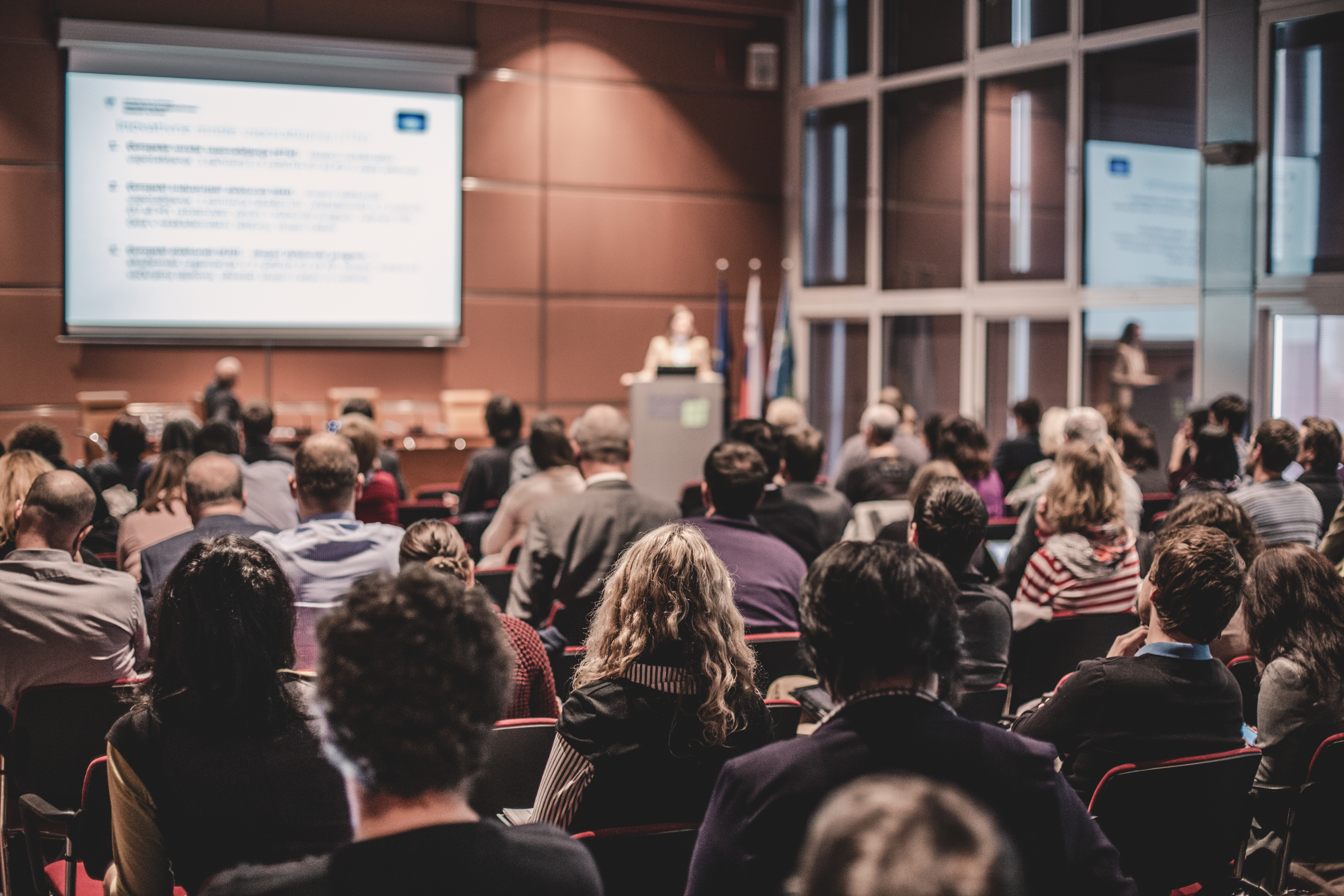
Here are six easy and meaningful ways to make your event more inclusive:
1. Share Clear Accessibility Information Before the Event
Many attendees, including PWDs, decide whether they can participate based on the information you provide. Make it simple for them by clearly sharing details like accessible entrances, ramps, elevators, seating, restrooms, parking, and any support services. When people know what to expect, they feel more confident and prepared to attend.
According to the Futures Landscape Study 2025, nearly 70% of respondents agreed that improving accessibility and inclusion is key to the long-term success of the events industry.
2. Use Simple, Direct Language in All Event Communications
Overly complicated emails or unclear instructions can unintentionally leave some attendees feeling left out, like first-timers, non-native speakers, or those with cognitive disabilities. Keep your messages simple and to the point: use short paragraphs, clear headings, and avoid jargon. This way, everyone feels informed, included, and ready for your event.
3. Offer Multiple Food Options, But Make It Easy to Choose
Food is one of the fastest ways to make attendees feel included. Rather than serving just one option or using vague labels, be clear and intentional. Offer choices for vegetarians, vegans, halal, gluten-free, and allergy-sensitive guests, and make sure each dish is clearly labeled.
An article from Meetings Today revealed that 89% of venues reported a rise in complex dietary requests, highlighting just how important inclusive menus have become.
4. Add Quiet Spaces for Breaks and Sensory Rest
Not everyone thrives in loud, crowded spaces. A small, quiet room or low-stimulation corner gives neurodivergent attendees, introverts, and anyone needing a breather a chance to recharge. It’s simple to set up, just a few chairs and a calm atmosphere can make a big difference in comfort and focus.
5. Provide Multiple Ways to Participate
Not everyone wants to speak up in front of a crowd. Offer different ways to engage, like QR-code questions, chat-based Q&A, polls, or sticky-note walls. Giving attendees options increases participation and helps shy, anxious, or remote guests feel included.
6. Train Your Event Staff to Be Inclusion-Aware
Inclusivity only works if your team knows how to support attendees respectfully. A short pre-event briefing can cover:
- Assisting guests with mobility needs
- Communicating respectfully
- Knowing when to offer help and when to step back
- Who to contact for accessibility issues
Confident, informed staff help ensure every attendee has a smooth, welcoming experience.
By incorporating these simple strategies into your planning, you can create events that truly connect with everyone in your audience, foster a sense of belonging, and leave a lasting impression long after the last session ends. Inclusive events aren’t just more enjoyable for participants; they also strengthen your brand, reputation, and overall event success.