


Inclusion and accessibility shouldn’t be nice-to-haves anymore; they’re essential parts of every event. According to the CDC, more than 1 in 4 U.S. adults (about 28.7%) live with a functional disability, whether related to hearing, vision, mobility, cognition, or other areas. That means a significant portion of any audience will experience sound, lighting, staging, and digital content differently.
While organizers often focus on programming or venue setup, it’s the AV and production teams who shape the real experience: what people can see, hear, follow, and fully participate in.
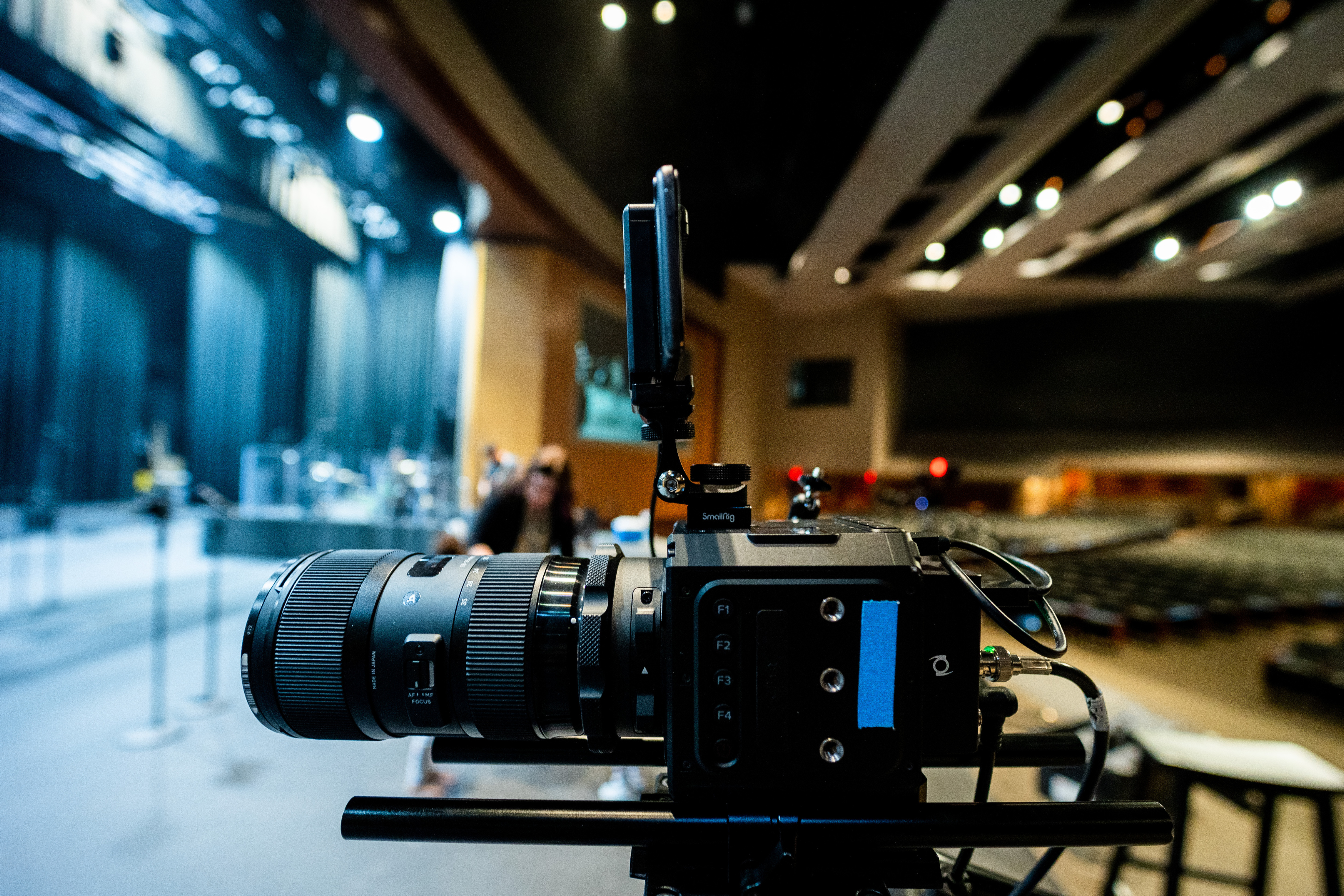
Here are five ways AV and production teams can help create more inclusive, accessible events:
1. Include accessibility in your early tech-run planning
From the first tech rehearsal, assign roles and responsibilities for captions, interpreters, hearing-loop checks, and sightline testing. Pre-scheduling these elements ensures dependable, smooth implementation rather than last-minute scrambling.
2. Provide live captions and post-event transcripts
Real-time, readable captions on both stage screens and livestream platforms are crucial. Use professional captioners, not just automated tools, to make sure names, jargon, and accents are properly conveyed, and always offer transcripts after the event.
3. Integrate sign-language interpretation and assistive listening
Plan space and lighting for BSL/ASL interpreters and make sure hearing-loop or FM/IR systems are included in sound checks. Provide receivers at registration desks and have team members trained to help attendees connect easily.
4. Design the stage and camera setup for accessibility
Make sure all presenters, including those using wheelchairs, have good access to the stage. Train production staff to include interpreters and caption panels in livestream shots, so remote viewers don’t miss vital information.
5. Create a sensory-friendly environment
Offer a quiet room or low-stimulation areas for people sensitive to noise or flashing lights. Make sure accessibility details like where to pick up headsets, the location of quiet zones, and how to request accommodations are clearly communicated before and during the event.
Building inclusive events requires intention, collaboration, and a commitment to designing experiences that work for everyone. With AV and production teams leading much of what attendees see, hear, and interact with, they play an essential role in making accessibility truly happen.